Becoming a United States citizen is more than a legal transition; it is an entry into a new heritage. At My Viet Inc, we honor this journey by providing a high-standard, structured environment that balances moral clarity with meticulous organizational support.
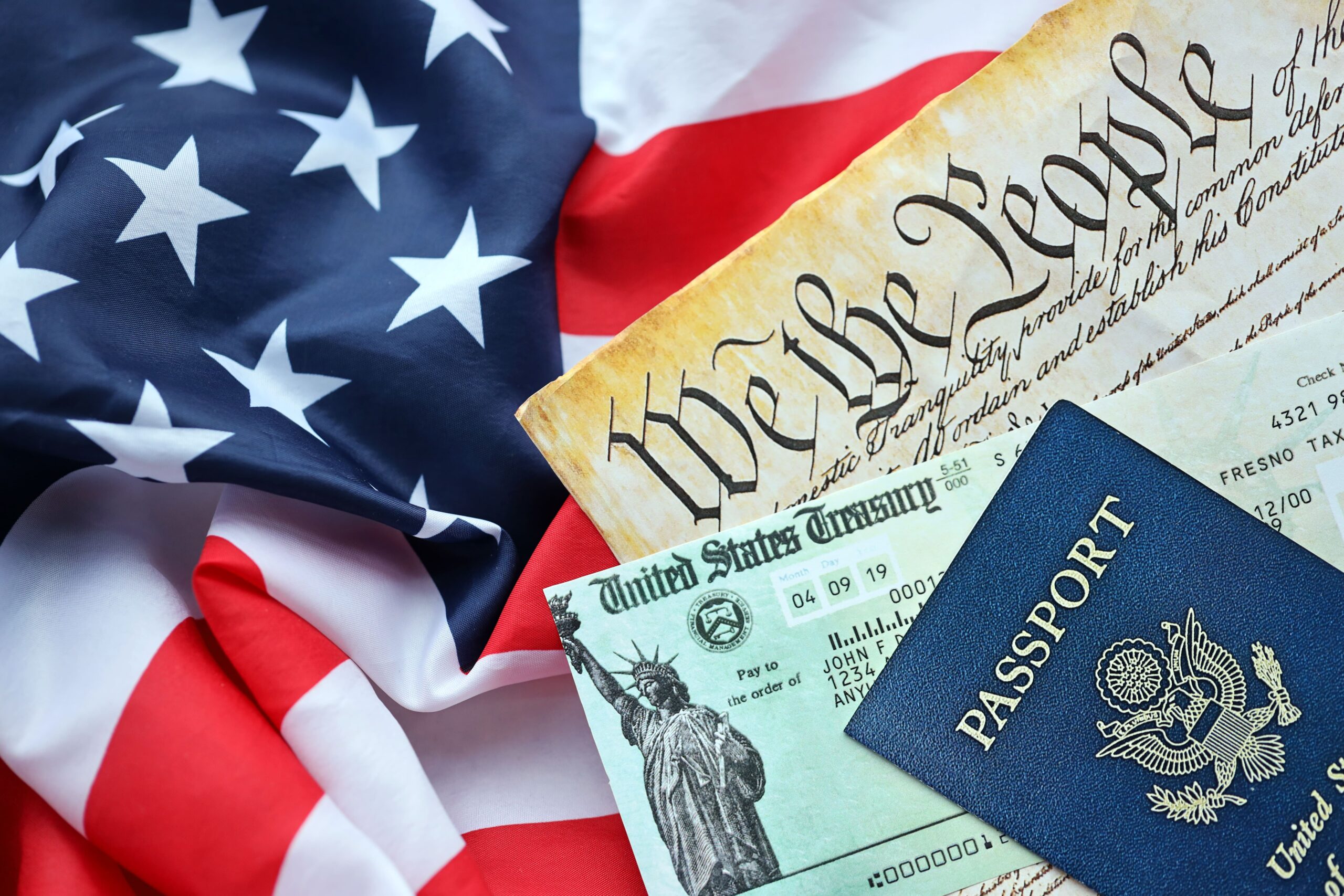
Every action we take is transparent, ethical, and aligned with USCIS guidelines - we never overpromise or cut corners, honoring the integrity of the process.
Personalized sessions, online via secure video or in-person at partnered locations, to master the civics and English tests with gentle, focused guidance.
We build your readiness step by step, fostering inner assurance through organized support, not pressure.
Drawing from institutional best practices, we ensure precision in every detail, with quality checks at each phase.
Beyond citizenship, we nurture ongoing relationships, offering post-oath resources for integration and community building.
We handle the administrative heavy lifting so you can focus on personal growth. While we don’t advise on eligibility or legal matters, that’s for licensed experts. With 15 years served in Dallas, Houston and across the states communities, with confidence we prepare you meticulously across these areas, tailored to the 10-step naturalization process. Services are customizable, with one-on-one elements integrated where they shine most.






Package Options
To meet diverse needs with high standards, we offer tiered packages—priced transparently, starting from $300 for basics (exact quotes via consultation). All include long-term follow-up for trust-building.
Core admin services basic resources. Ideal for straightforward cases.
Adds enhanced educational support + 3 one-on-one sessions (online/in-person). For those seeking quiet confidence in prep.
All services + unlimited one-on-one coaching, premium translations, and post-citizenship integration resources. Builds lifelong trust.
In a world of noise, we offer stillness—trusted partners who listen deeply and act with quiet precision. With 15 years of service across Dallas, Houston, and U.S. communities, we prepare you meticulously, guided by care, respect, and robust school networks. We measure success by your peace, not just approvals. With long-term trust at our core, we help you thrive, easing transitions and fostering true belonging.
At My Viet Inc, we commit to handling your path with care, humility, and unwavering professionalism—rooted in compassion, as if guiding a friend through a sacred rite.
Our goal? To let you focus on the joy of citizenship, emerging with clarity and quanimity. For official details, always visit USCIS.gov. If this resonates, reach out; let’s begin with a simple conversation. Peace be with you.
Contact My Viet Inc. via 972 205 1975
Email: myvietinc@myvietinc.com
“We look forward to serving you with integrity. Peace be with you.”
WhatsApp us