

18+ YEAR | 48+ COUNTRIES | 250+ UNIVERSITIES | 6 SECTORS | IMMIGRATION | INVESTMENT | EDUCATION | TEXAS-BASED |
Religious worker immigration generally follows two paths: a temporary religious worker visa or a pathway to permanent residency.
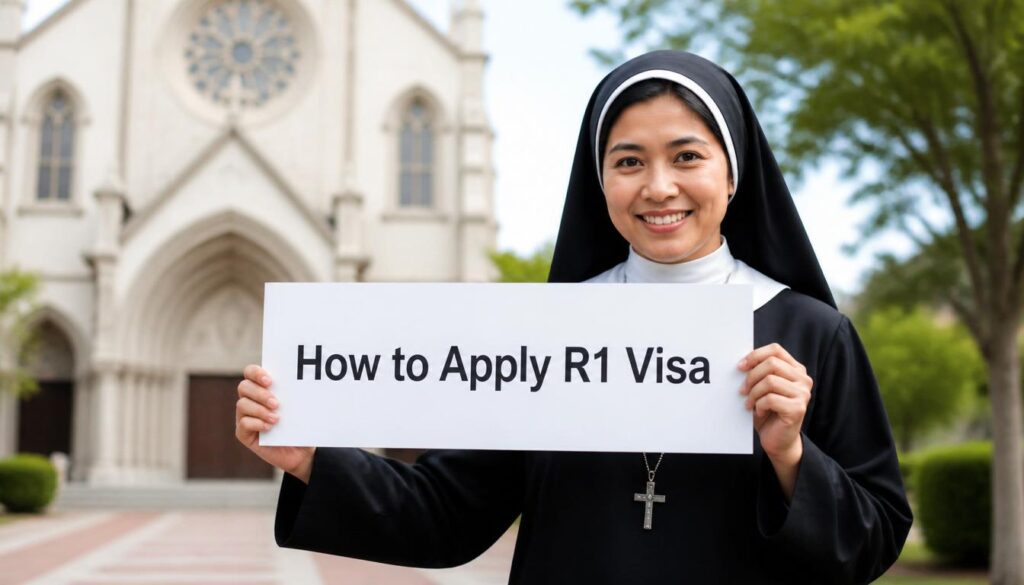
The R-1 Religious Worker Visa allows qualified religious workers to live and serve in the United States for a limited period with a sponsoring religious organization.
The EB-4 Special Immigrant Religious Worker category provides a path to lawful permanent residency for eligible ministers and certain religious workers who meet the program’s requirements.
For many faith communities, religious workers do more than fill a position. They provide spiritual guidance, preserve traditions, strengthen families, and serve people during life’s most important moments. Religious worker immigration helps make that service possible while meeting the requirements of U.S. immigration law.
At MY-VIET, INC., we assist churches, temples, mosques, synagogues, and other qualified religious organizations, along with the religious workers they sponsor, in preparing organized R-1 and EB-4 immigration document packages. We carefully review forms, supporting evidence, and required documentation before submission, serving clients across all 50 states.
Religious worker cases receive careful review from USCIS because both the sponsoring organization and the religious worker must meet specific legal requirements. Thoughtful preparation, complete documentation, and consistent evidence help create a stronger foundation from the very beginning.
Our goal is not simply to prepare paperwork. It is to help religious organizations and those called to serve move through the immigration process with clarity, care, and respect for both their mission and the law.
Here is a general look at how each category works.

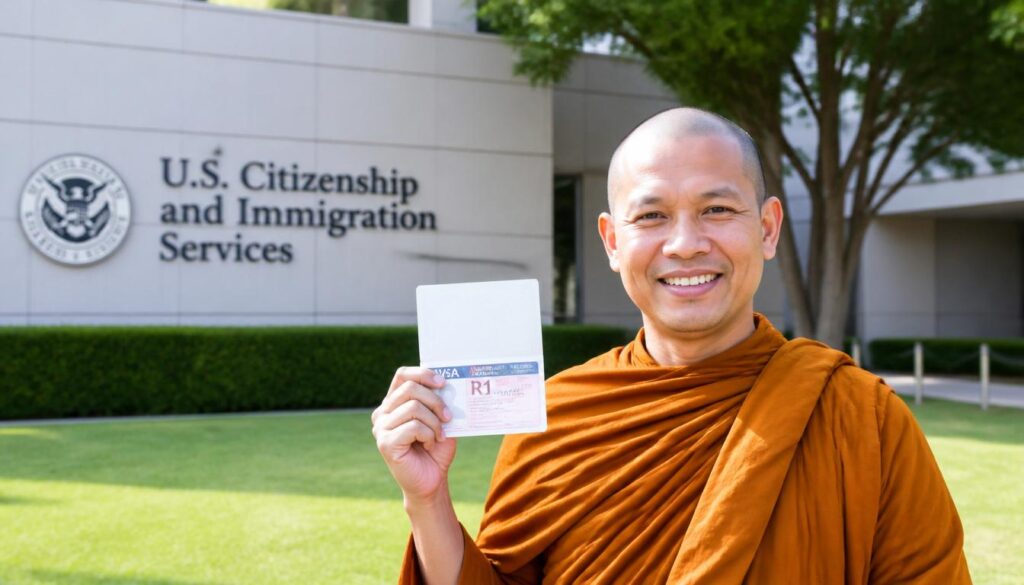
For ministers and other religious workers coming to work temporarily for a qualifying religious organization, whether in a professional or non-professional religious role. The worker must have been a member of the religious denomination for at least two years immediately before filing. The sponsoring organization must be a bona fide nonprofit religious organization in the United States. An R-1 worker may generally stay for an initial period of up to 30 months, with one possible extension, for a maximum of 5 years in R-1 status.

For individuals coming to the United States to work solely as a minister of their religious denomination. This category requires the same two years of prior membership and religious work, along with evidence of the person's qualifications to serve as a minister within their denomination.

For individuals working in a recognized religious vocation or occupation who are not ministers, such as religious instructors, liturgical workers, or other roles integral to a religious organization's activities. This portion of the category has historically been subject to periodic renewal by Congress and has had expiration dates in the past. We confirm the current status of this program before advising on any non-minister EB-4 case.
ELIGIBILITY
Religious worker visas and green cards cover a range of roles and denominations. You may want to discuss your situation with us if you are:
Every case is different. These are examples of documents commonly required for religious worker cases.
STEP-BY-STEP PROCESS

The sponsoring religious organization must generally show it is a genuine nonprofit religious organization, with recognized tax-exempt status, that has been operating as such in the United States.

Both the R-1 visa and the EB-4 religious worker green card require proof that the worker has been a member of the denomination, and engaged in the qualifying religious work, for at least two years immediately before filing.

The sponsoring organization files Form I-129 for an R-1 visa, or Form I-360 for an EB-4 religious worker green card. This is where MY-VIET, INC. supports clients by preparing and organizing the required documentation.
USCIS may conduct an on-site inspection of the religious organization, before or after a decision is made, to confirm the organization's activities and the worker's role. Organizations should be prepared to show that daily operations match what was described in the petition.

For R-1 cases, an approved petition allows the worker to enter or remain in the United States for the approved period. For EB-4 cases, an approved I-360 petition is followed by a wait for visa number availability, and then adjustment of status or consular processing.

Common Challenges
Religious worker cases involve close scrutiny of both the worker and the organization. These are the problems we see most often.
Delays can affect immigration status, work authorization, travel plans, and family reunification.
Administrative or maintenance roles generally do not qualify unless they are directly tied to religious functions. We help clients describe the role accurately.
USCIS may visit the organization’s location. Organizations that are not prepared to show their day-to-day religious activities can face delays or denials.
Workers who wait too long to plan for a green card can find themselves close to the R-1 maximum with no long-term status secured.
Form I-129 and Form I-360 serve different purposes and have different requirements. Filing the wrong one causes delays.
The non-minister portion of the EB-4 category has historically required periodic renewal by Congress. We confirm current program status before advising on these cases.
OUR APPROACH
Every immigration journey is different. Our role is not simply to prepare forms. It is to understand your situation, identify potential issues early, and help you submit a complete, accurate, and well-organized case.

Every case begins with a conversation. We take time to understand your goals, immigration history, family situation, and any circumstances that could affect your case. The more we understand from the beginning, the better we can prepare.

We explain your available options, eligibility, required documents, expected timelines, and any challenges we identify. If there is a concern, we believe it is better to discuss it before filing, not after.

We organize your forms, supporting documents, certified translations, and evidence to help ensure your application is complete, consistent, and meets current USCIS requirements before submission.

Consular processing coordination and NVC document submission supportAfter filing, we help you understand USCIS notices, respond to requests for additional information, and prepare for interviews or the next steps in your immigration process.

Many clients return for Green Card renewals, removal of conditions, U.S. citizenship, petitions for other family members, or additional immigration services. We are grateful to support families through every stage of their immigration journey.

Immigration is not paperwork. It is one of the biggest decisions of a person's life, one that touches family, safety, and the future. Our goal is simple: help you move forward with clarity, careful preparation, and someone trustworthy beside you at every step.
FAQs
USCIS looks for a religious denomination with a bona fide nonprofit religious organization in the United States. This applies broadly across faiths and denominations. We review your organization’s structure and documentation to confirm it meets the requirement.
No. The sponsoring religious organization must file the petition on the worker’s behalf. The worker cannot self-petition for an R-1 visa.
An R-1 worker may generally be admitted for an initial period of up to 30 months, with one extension of up to 30 more months, for a maximum of 5 years in R-1 status.
Yes. USCIS may conduct an on-site inspection of the sponsoring organization, before or after a decision is made, to verify the organization’s activities and the worker’s role. We help organizations prepare for this.
The minister category is for individuals coming to work solely as a minister of their denomination. The non-minister category covers other qualifying religious vocations and occupations. The minister category has permanent statutory authorization, while the non-minister category has historically required periodic renewal by Congress.
R-1 status itself does not automatically convert to a green card. A separate petition, Form I-360, must be filed and approved for the EB-4 Special Immigrant Religious Worker category, followed by the green card application process.
That is common, and it is something we plan for. We walk new sponsoring organizations through what USCIS expects to see, from nonprofit documentation to the details of the job offer.
It depends on USCIS and Department of State processing times, whether a site inspection is required, and current visa number availability in the EB-4 category. We give clients a realistic estimate based on their specific case.
Reasons
Why Families Choose MY-VIET, INC.
Immigration cases are not paperwork. They are years of waiting, family separations, and fear of one small mistake costing everything. We have sat with that fear for 18 years, across thousands of cases, and we know what it does to a person.
Most of our clients come through referrals. It is something we earn, slowly, over years of showing up for people when it matters most.
Supporting families and professionals through immigration and international education — one case, one family, one future at a time.
Traveled not as a tourist but as a student — of how trust is built, how trade moves, and how cultures make decisions.