

U.S. Employment-Based Green Cards

Years of skills. Skill built a career. Paperwork protects the right to keep building it.

 99.4% Approval Rate

18+ YEAR | 48+ COUNTRIES | 250+ UNIVERSITIES | 6 SECTORS | IMMIGRATION | INVESTMENT | EDUCATION | TEXAS-BASED |

18+ YEAR | 48+ COUNTRIES | 250+ UNIVERSITIES | 6 SECTORS | IMMIGRATION | INVESTMENT | EDUCATION | TEXAS-BASED |

Overview

What U.S. Employment-Based Green Cards Covers?

Employment-based immigration generally follows two paths: temporary work visas and employment-based green cards.

Temporary work visas allow qualified foreign nationals to live and work in the United States for a specific employer and position. Common categories include H-1B, L-1, O-1, TN, E-2, E-3, H-2A, H-2B, and R-1.

Employment-based green cards provide a pathway to permanent residency through a qualifying job offer or extraordinary qualifications. The primary categories include EB-1, EB-2, and EB-3.

For many people, these two paths are connected. Some begin their journey with a temporary work visa and later transition to permanent residency through employer sponsorship. Others may qualify to apply for a green card directly, depending on their education, experience, profession, or achievements.

A job offer is often the beginning of the process, not the end. Employment-based immigration involves multiple parties, including the employer, the employee, and several government agencies. Labor certifications, prevailing wage requirements, employer sponsorship, visa availability, and filing deadlines all play an important role. One missing document or overlooked requirement can delay a case for months.

At MY-VIET, INC., we help foreign professionals, skilled workers, business executives, religious workers, investors, and sponsoring employers prepare organized, accurate employment-based immigration document packages. We carefully review forms, supporting evidence, and filing requirements before submission, helping clients across all 50 states move through the process with greater confidence.

Employment opportunities can change lives. Careful preparation helps protect those opportunities from avoidable delays and unnecessary mistakes.

Major

Temporary Work Visa Categories

Each work visa category has its own rules for who qualifies, what the employer must show, and how long the visa lasts. Here is a general look at the most common categories.

H-1B: Specialty Occupation Visa

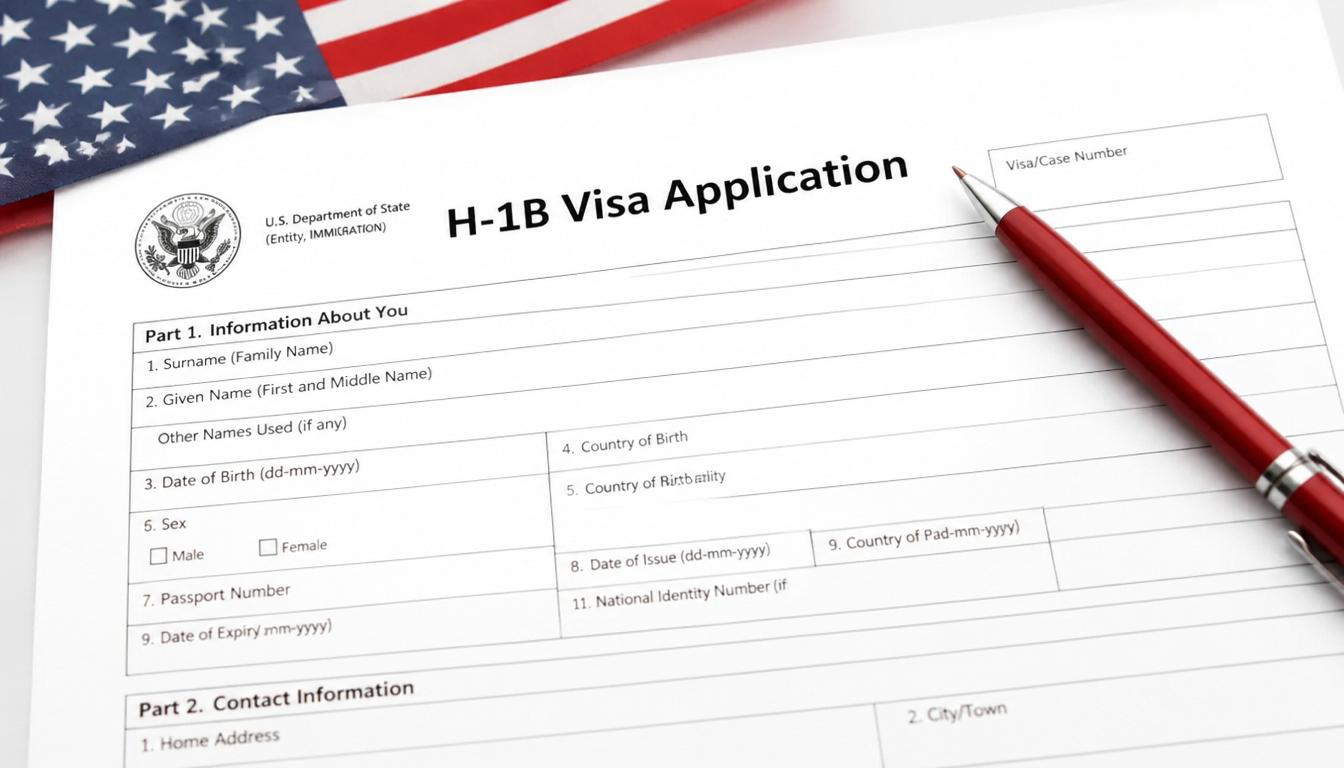
For jobs that require specialized knowledge and at least a bachelor's degree in a related field, such as engineering, technology, finance, or certain healthcare roles. The H-1B is subject to an annual numerical limit set by Congress, and in most years, more petitions are submitted than there are visa numbers available. When that happens, USCIS holds a random selection process to decide which petitions may move forward.
L-1: Intracompany Transfer Visa

For employees of an international company who are transferring to a U.S. office of the same company, a parent company, or an affiliate. The L-1A category is for managers and executives. The L-1B category is for employees with specialized knowledge of the company's products, services, or procedures.

O-1: Extraordinary Ability Visa

For individuals with extraordinary ability or achievement in their field, including sciences, education, business, athletics, or the arts. The O-1 has no annual cap and no lottery. USCIS reviews each case on the strength of the evidence submitted.

TN: USMCA Professional Visa

For Canadian and Mexican citizens working in certain professional occupations listed under the United States-Mexico-Canada Agreement, such as accountants, engineers, and scientists. The TN process is generally faster than many other work visa categories.
E-2 and E-3 Visas

The E-2 is for investors and employees of a business from a country that holds a qualifying treaty with the United States. The E-3 is a specialty occupation visa available only to Australian citizens, similar in purpose to the H-1B.

H-2A and H-2B: Temporary and Seasonal Worker Visas

The H-2A category is for temporary or seasonal agricultural work. The H-2B category is for temporary or seasonal non-agricultural work, such as hospitality, landscaping, or construction. Both require the employer to show that qualified U.S. workers are not available for the position.
R-1: Religious Worker Visa

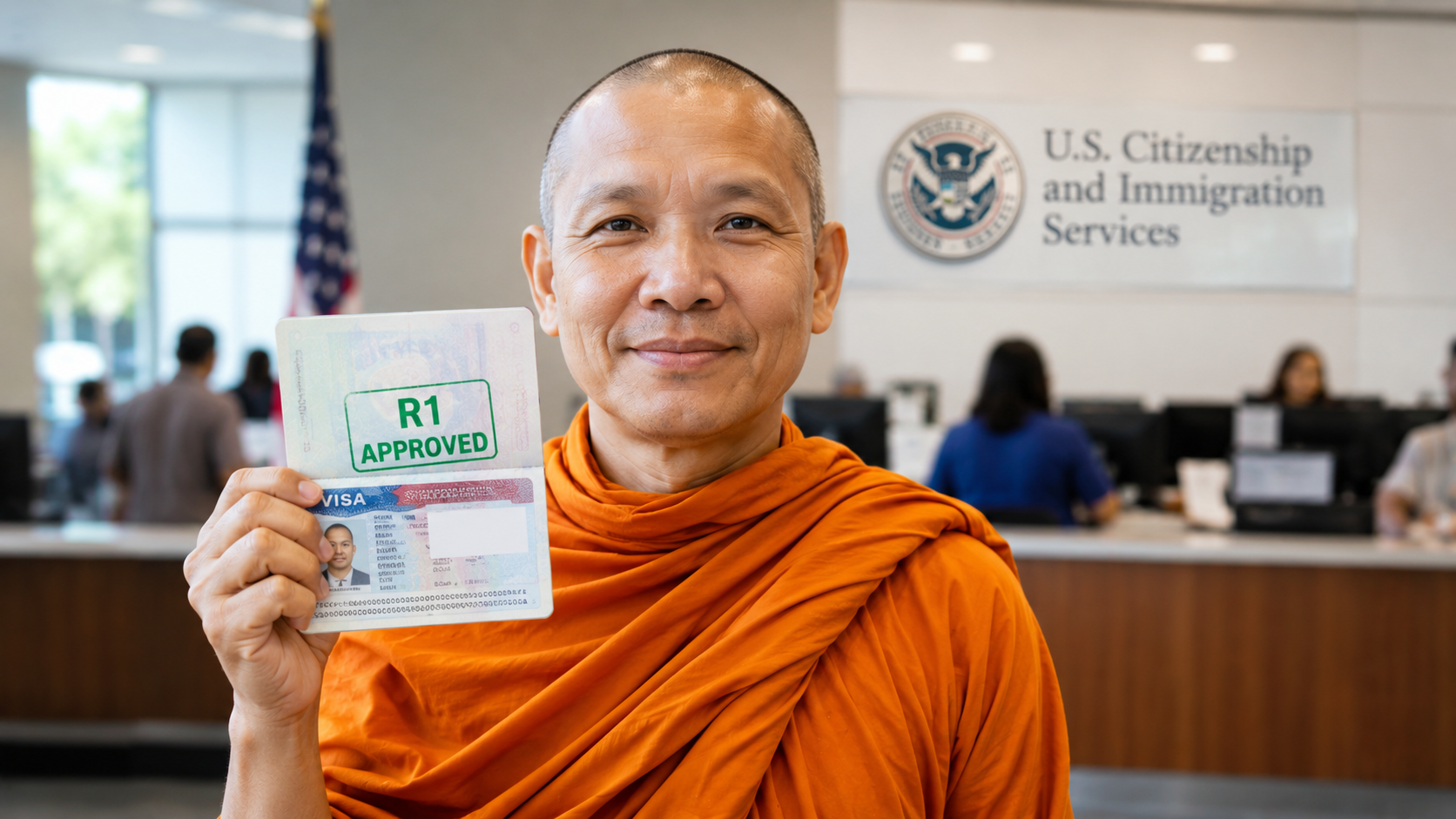
For ministers and religious workers coming to the United States to work for a qualifying religious organization.


Employment-Based Green Cards

EB-1, EB-2, and EB-3

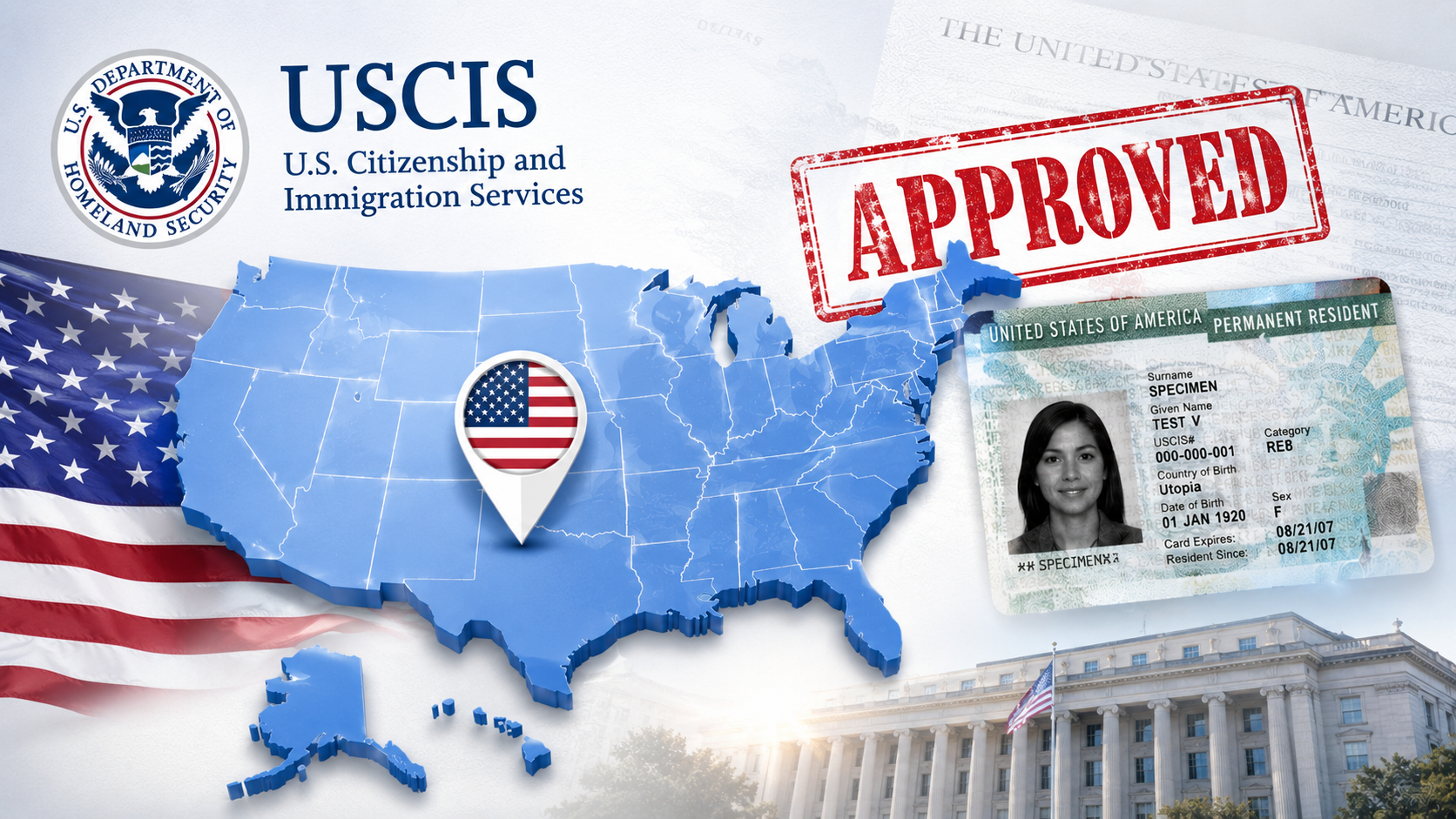
An employment-based green card grants permanent residency based on a job offer, or in some cases, extraordinary individual achievement. These categories are numbered by preference, which affects how long a case may take.

Visa number availability for employment-based green cards depends on the category and the applicant’s country of birth. Some countries have significant backlogs in certain categories. We review where a case stands in the process and give clients a realistic picture based on current government data.

EB-1: Priority Workers

Covers individuals with extraordinary ability in their field, outstanding professors and researchers, and certain multinational executives and managers. Some EB-1 cases do not require labor certification, which can make the process more direct than other employment-based categories.

EB-2: Advanced Degree or Exceptional Ability

For professionals with an advanced degree, or those with exceptional ability in the sciences, arts, or business. Most EB-2 cases require labor certification. Certain EB-2 cases may qualify for a National Interest Waiver, which allows a person to self-petition without a specific job offer if their work benefits the United States as a whole.

EB-3: Skilled Workers, Professionals, and Other Workers

For skilled workers, professionals with a bachelor's degree, and other workers filling positions that require less formal training. This category generally requires labor certification and tends to have a longer wait for a visa number than EB-1.

WHAT YOU WILL NEED

Documents You May Need

Every case is different, and requirements vary by visa category. These are examples of documents commonly requested.
  • Valid passport and current immigration status documents
  • Job offer letter or employment contract
  • Educational credentials, including degree evaluations for foreign degrees
  • Resume or curriculum vitae showing relevant experience
  • Evidence of specialized knowledge, extraordinary ability, or professional licensure, if applicable
  • Labor certification documentation, if required for the category
  • Company documentation, such as proof of the employer’s business operations and ability to pay the offered wage
  • USCIS approval or receipt notices from any prior filings
  • Certified translations of any non-English documents

STEP-BY-STEP PROCESS

Employment-Based Immigration:

The Clear Path

Start with the Job Offer

An employer must sponsor you for a specific role. This is the foundation. Nothing moves without this commitment.

Labor Certification (Sometimes)

The Department of Labor confirms the role won't replace an American worker. Some visa types require this. Some don't. Your immigration attorney will know which applies to you.

File the Petition with USCIS

The employer submits Form I-129 (temporary visa) or Form I-140 (green card). MY-VIET, INC. handles the documents and preparation. This is where your case officially enters the system.

Wait for a Visa Number

If seeking a green card, you wait for availability. The State Department publishes a Visa Bulletin each month showing wait times by category and country. This is real information. Plan accordingly.

Complete Final Processing

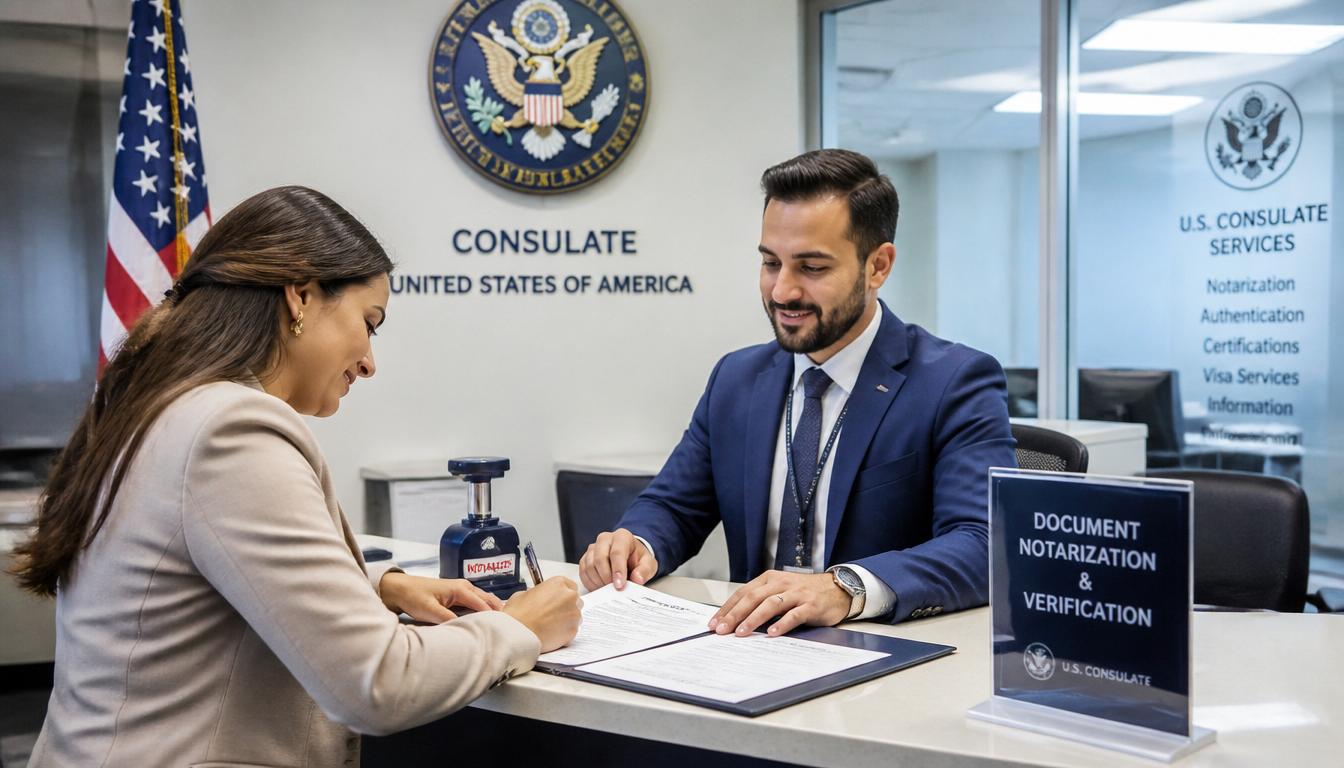
From outside the U.S., you process at a U.S. embassy or consulate. If you're already here legally, you can apply to adjust status (Form I-485) without leaving.

Common Challenges

We Help Clients Navigate

Employment-based cases run into predictable problems. Knowing what they are ahead of time makes them easier to avoid.
Missing the annual H-1B registration window.

Cap-subject H-1B cases can only be filed after selection during a specific registration period each year. Missing it usually means waiting for the next cycle.

Categories like O-1 and EB-1 rely heavily on documented evidence of ability and achievement. Thin documentation is one of the most common reasons for delay or denial.

USCIS compares the actual job duties against the requirements of the category. A mismatch can trigger a Request for Evidence.

The labor certification process has its own government timeline that is separate from the visa petition. Employers who do not plan for it can face significant delays.

For employment-based green cards, missing the point when a visa number becomes available can cost valuable time.

USCIS often asks employers to show they can pay the offered wage and that the position genuinely exists. Missing financial or organizational records can slow a case down.

Complex categories, labor certification, and cases with legal risk factors often require the employer’s own immigration attorney. We are clear about where our role ends and where legal counsel is needed.

OUR APPROACH

How We Serve

Every immigration journey is different. Our role is not simply to prepare forms. It is to understand your situation, identify potential issues early, and help you submit a complete, accurate, and well-organized case.

We Listen First

Every case begins with a conversation. We take time to understand your goals, immigration history, family situation, and any circumstances that could affect your case. The more we understand from the beginning, the better we can prepare.

We Identify Challenges Early

We explain your available options, eligibility, required documents, expected timelines, and any challenges we identify. If there is a concern, we believe it is better to discuss it before filing, not after.

We Prepare Your Case Carefully

We organize your forms, supporting documents, certified translations, and evidence to help ensure your application is complete, consistent, and meets current USCIS requirements before submission.

We Stay With You Throughout the Process

Consular processing coordination and NVC document submission supportAfter filing, we help you understand USCIS notices, respond to requests for additional information, and prepare for interviews or the next steps in your immigration process.

We Build Long-Term Relationships

Many clients return for Green Card renewals, removal of conditions, U.S. citizenship, petitions for other family members, or additional immigration services. We are grateful to support families through every stage of their immigration journey.

We Treat This as What It Is.

Immigration is not paperwork. It is one of the biggest decisions of a person's life, one that touches family, safety, and the future. Our goal is simple: help you move forward with clarity, careful preparation, and someone trustworthy beside you at every step.

FAQs

Frequently Asked Questions About R-1 Visas and Green Cards for Religious Workers
What is the difference between a work visa and an employment-based green card?

A work visa is temporary and tied to a specific employer and job. An employment-based green card grants permanent residency. Some workers hold a temporary work visa first and later pursue a green card, while others may qualify to apply for a green card directly.

Most categories require a specific job offer from a U.S. employer willing to sponsor the case. A limited number of categories, such as certain EB-1 and EB-2 National Interest Waiver cases, allow a person to self-petition without a specific employer.

Labor certification is a Department of Labor process that confirms hiring a foreign worker will not displace qualified U.S. workers. Most EB-2 and EB-3 green card cases require it. Many EB-1 cases and most temporary work visas do not.

Congress sets an annual numerical limit for certain categories, including the H-1B. When more petitions are submitted than there are visa numbers available, USCIS holds a random selection process to decide which petitions move forward that year.

The U.S. Department of State publishes the Visa Bulletin each month. It shows which priority dates are currently eligible to move forward for employment-based green card categories, based on category and country of birth. Wait times vary and can be significant for some countries.

In some situations, yes, depending on the visa category and the stage of the case. This is a fact-specific question, and we review the details of your situation before advising on next steps.

No. MY-VIET, INC. is a document preparation service, not a law firm. We prepare and organize documentation for employment-based cases. Certain categories, including labor certification and complex or high-risk petitions, generally require the employer’s own immigration attorney, and we are upfront about that from the start.

It depends on the visa category, whether labor certification is required, current USCIS and Department of Labor processing times, and, for green cards, whether a visa number is currently available. We give clients a realistic estimate based on their specific case rather than a general promise.

Reasons

Why Families Choose MY-VIET, INC.

Immigration cases are not paperwork. They are years of waiting, family separations, and fear of one small mistake costing everything. We have sat with that fear for 18 years, across thousands of cases, and we know what it does to a person.

  • 18 years across Texas, Florida, and Tennessee immigration offices. We have watched forms, laws, and officers change. That history helps us catch problems before they become denials.
  • We speak your language, and the silence behind it too. The hesitation before someone admits they do not understand. We slow down for that.
  • Three offices, Dallas, Houston, and Vietnam. Trust starts face to face. Clients in all 50 states get the same attention as someone sitting across our desk.
  • The same person stays with your case, start to finish. You will not be passed around.
  • Every form checked, every deadline tracked. One missed date can undo years of work.
  • We tell the truth, even when it is not what you hoped to hear. We do not promise results no one can guarantee.
0 +

Years of Service

0 +

Countries Served

0 +

School Partners

0

U.S. States

Most of our clients come through referrals. It is something we earn, slowly, over years of showing up for people when it matters most.

0 +

Years of Service

Supporting families and professionals through immigration and international education — one case, one family, one future at a time.

0 +

Countries Served

Traveled not as a tourist but as a student — of how trust is built, how trade moves, and how cultures make decisions.

0 +

School Partners

Built institutional relationships across the United States and Canada through years of immigration and education work.
0

U.S. States

Immigration. Trade. Investment. Education. Social Impact. Media. The common thread: connecting the right people at the right moment.